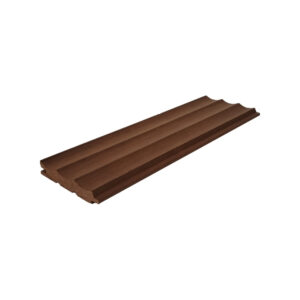
Sauna wall lighting highlights the natural beauty of wood by casting light at angles that emphasize grain patterns, texture, and the warm tones of the timber. The direction, type, and placement of light sources all play a role in how dramatically wood surfaces come alive in a sauna interior. The questions below cover everything from choosing the right fixture type to how thermally modified wood responds under sauna lighting.
What types of lighting work best on sauna walls?
The best lighting for sauna walls combines low-voltage LED strip lights or recessed sauna-rated fixtures that emit warm white light in the 2700K to 3000K color temperature range. These sources produce the amber tones that complement the natural hues of wood, whether you are working with pale aspen, reddish alder, or darker thermally modified timber. Avoid cool white or daylight LEDs, which flatten wood tones and make surfaces look clinical rather than warm.
All sauna lighting must be rated for high humidity and heat. Standard household fixtures are not suitable. Purpose-built sauna luminaires are typically rated for temperatures up to 130 degrees Celsius and are sealed against moisture. LED technology has made this far more practical in 2026 than it was in previous decades, since modern sauna-rated LEDs generate very little heat themselves while still delivering excellent light output.
For a layered effect, combine a primary source for general illumination with secondary accent strips placed along benches, under the upper bench, or along wall edges. This layering is what separates a beautifully lit sauna from a simply functional one.
How does light direction affect the appearance of wood grain?
Light direction is the single most powerful variable in wood texture lighting. When light strikes a wood surface at a low, grazing angle, it casts small shadows across every ridge and valley in the grain, making the texture appear dramatically more pronounced. Direct, perpendicular light flattens the surface and can make even highly figured timber look plain and uniform.
In practical terms, this means positioning fixtures so the beam travels nearly parallel to the wall surface rather than straight at it. A light source mounted at the ceiling edge or at floor level, angled upward or downward along the paneling, will reveal far more character in the wood than a centrally placed overhead fixture. The effect is especially striking on vertical panel installations where the grain runs in long, continuous lines from floor to ceiling.
The wood species also matters here. Aspen has a relatively fine, subtle grain that benefits from close, controlled grazing light. Alder and thermally modified timbers often have richer, more varied grain patterns that respond well even to slightly wider angles of incidence.
What’s the difference between backlighting and surface-mounted sauna lighting?
Backlighting places the light source behind a panel or decorative element so that the glow appears to emanate from within the wall, creating a diffuse, ambient effect. Surface-mounted sauna lighting attaches fixtures directly to the wall or ceiling surface, directing light outward toward the room or along the wall. The two approaches produce fundamentally different visual results and serve different design intentions.
Backlighting works particularly well when panels are installed with small deliberate gaps or when translucent or very thin timber veneers are used. The light softens and diffuses, reducing harsh shadows and creating a calm, spa-like atmosphere. It does not emphasize grain or texture in the same way directional light does; instead, it creates a sense of depth and luminosity behind the wood surface itself.
Surface-mounted fixtures, especially those placed at low angles, are the better choice when the goal is to showcase the natural beauty of solid wood paneling. They give the designer precise control over where shadows fall and how much texture is revealed. For most traditional and contemporary sauna interiors using solid aspen or alder panels, surface-mounted directional lighting delivers the most dramatic and satisfying result.
Does thermally modified wood look different under sauna lighting?
Yes, thermally modified wood responds distinctly to sauna lighting compared to untreated timber. The thermal modification process darkens the wood to a rich, uniform brown tone that absorbs more light and reflects less of it. Under warm sauna lighting, this produces a deeper, moodier ambiance compared to the brighter, more reflective surface of natural pale aspen.
The grain in thermally modified wood also tends to be more visually prominent because the color contrast between earlywood and latewood bands is often heightened by the heat treatment process. Grazing light across thermally modified panels therefore creates particularly strong shadow patterns, making the wood’s natural structure a central design feature rather than a background detail.
We use thermally modified aspen, alder, and radiata pine in our wood products and timber range, and each species develops its own character through the process. Thermally modified aspen takes on warm caramel tones, while alder deepens toward a richer chocolate brown. Both reward thoughtful lighting placement and look especially striking when lit from below or from a low side angle.
Where should sauna wall lights be positioned for the best effect?
The most effective positions for sauna wall lights are along the lower wall near the floor, beneath the upper bench, and at ceiling-wall junctions angled downward. These positions create grazing light that travels across the panel surface, emphasizing wood grain and texture. Avoid placing fixtures directly in the center of a wall or at eye level, where the light source becomes a distraction rather than an enhancement.
A practical starting point for most sauna interiors is to position LED strip lighting under the upper bench so it washes light across the lower wall panels. This is a low-profile solution that keeps the fixture hidden while directing light exactly where it will have the most visual impact. A secondary strip at the ceiling perimeter, angled slightly downward, can provide soft fill light without competing with the primary accent effect.
In larger saunas or spa environments, consider placing additional accent fixtures along vertical panel joins or behind decorative elements such as wooden grilles or lattice screens. This creates visual layers at different depths and prevents the space from feeling flat or uniformly lit.
Can sauna lighting work with both painted and natural wood panels?
Sauna lighting works with both painted and natural wood panels, but the technique and fixture choice should differ between the two. Natural wood panels benefit most from directional, grazing light that reveals grain and texture. Painted panels, which typically have a smooth, uniform surface, respond better to diffuse or evenly distributed light since there is less surface variation to highlight.
For natural wood sauna paneling, warm white LEDs in the 2700K to 3000K range are almost always the right choice. They complement the amber, honey, and brown tones found in aspen, alder, and thermally modified timber without introducing color casts that distort the wood’s natural appearance.
Painted surfaces in sauna interiors are less common because paint does not perform well under repeated heat and humidity cycles. Most sauna interior design today favors natural or thermally modified wood precisely because the material improves with age and responds beautifully to thoughtful lighting. If you are working with sauna paneling in its natural state, the investment in well-positioned lighting will pay visual dividends for the entire life of the sauna. To discuss your specific project requirements, contact us for expert sauna advice.