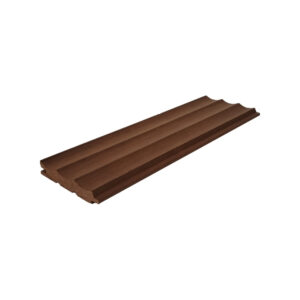
The best way to combine sauna lighting with sustainable material choices is to use low-voltage LED lighting paired with natural wood species known for their durability and low environmental impact, such as aspen or black alder. The wood you choose directly shapes how light behaves in the space, so material and lighting decisions work together rather than independently. The questions below unpack each dimension of that relationship in practical detail.
What lighting types work best in a sauna environment?
LED lighting designed specifically for high-humidity, high-temperature environments is the best choice for sauna lighting. Low-voltage LEDs rated for sauna use tolerate the heat and moisture without degrading quickly, produce minimal glare, and consume very little energy compared to traditional bulbs. They also generate almost no additional heat, which matters in a space already designed around warmth.
Beyond LEDs, fiber optic systems are worth considering for saunas where you want a starfield ceiling effect or decorative accent lighting. Because the light source sits outside the sauna and only the fiber strands enter the room, there is no electrical component exposed to steam at all. This makes fiber optics one of the safest and most design-flexible options available for sauna interiors.
Whatever type you choose, look for IP ratings of at least IP54 or higher, which indicates sufficient protection against moisture ingress. Sauna-rated fixtures are specifically engineered to handle the thermal cycling that ordinary bathroom or outdoor fixtures cannot withstand long-term.
How does wood species affect how sauna lighting looks?
Wood species significantly affect sauna lighting because different woods have different natural tones, grain patterns, and surface textures that interact with light in distinct ways. Lighter woods like aspen reflect more light and create a bright, airy atmosphere, while darker woods absorb light and produce a more intimate, cave-like warmth. The grain pattern also determines whether light skims across the surface dramatically or diffuses evenly.
Aspen, for example, has a pale, almost white tone with a fine, uniform grain. Under warm LED lighting, it glows softly and makes a small sauna feel more open. Black alder sits at the other end of the spectrum with its richer, warmer reddish-brown tones, which deepen noticeably under amber or warm-white light sources and create a cocooning, deeply relaxing atmosphere.
Thermally treated versions of these species shift the color further toward deep amber and brown, which changes the lighting calculus again. If you are working with thermally treated wood, cooler light temperatures can balance the warmth of the wood, while warmer light amplifies it. Choosing your wood species and your light color temperature together, rather than separately, is how skilled sauna designers achieve a coherent interior mood.
What makes a sauna material sustainable?
A sauna material is sustainable when it comes from responsibly managed sources, requires minimal processing with low environmental impact, lasts long enough to avoid frequent replacement, and can be disposed of or recycled without leaving harmful residues. Locally sourced wood from certified forests scores well on all of these criteria, particularly when the production chain is short and transparent.
For wood specifically, the key sustainability indicators are responsible forestry certification, the distance the raw material travels before it becomes a finished product, and whether chemical treatments are used. Thermally modified wood achieves its durability and moisture resistance through heat and steam alone, with no added chemicals, which makes it one of the most genuinely eco-friendly options for sauna paneling and bench wood products.
We source aspen and black alder responsibly and process everything at our own facility in Pieksämäki, Finland. Controlling the full production chain from our own sawmill through thermal treatment and planing to final packaging means we can verify the sustainability of every step rather than relying on third-party claims.
Does thermally treated wood change the lighting mood in a sauna?
Yes, thermally treated wood meaningfully changes the lighting mood in a sauna. The thermal modification process darkens the wood significantly, shifting its tone from the pale natural color to a deep honey, caramel, or dark brown depending on the species and treatment intensity. This darker surface absorbs more light and creates a warmer, more enveloping atmosphere than untreated wood of the same species.
From a lighting design perspective, thermally treated panels and bench wood reward indirect and low-level lighting more than bright overhead sources. The rich tones come alive under warm-white LEDs placed at low height or behind recessed fixtures, producing the kind of amber glow that feels instinctively relaxing. Bright, cool-white light over thermally treated wood can look flat or slightly clinical by contrast.
The durability benefit of thermal treatment also has an indirect effect on ambiance over time. Because thermally treated wood resists moisture and dimensional change so effectively, it holds its finish and color far longer than untreated wood. The lighting mood you design on day one stays consistent for years rather than shifting as the wood weathers and grays unevenly.
Where should sauna lights be placed for the best effect?
Sauna lights produce the best effect when placed low on the walls, behind the bench backrest, or recessed into the ceiling around the perimeter rather than mounted centrally overhead. Low placement avoids shining light directly into the eyes of bathers lying on the benches, and it lets the light graze across the wood paneling to highlight its grain and texture. This approach creates depth and warmth rather than flat, uniform brightness.
Behind the bench backrest
Fitting an LED strip or a recessed fixture behind the top bench backrest is one of the most effective techniques in sauna interior design. Light spills upward and outward, illuminating the ceiling and upper walls without any visible fixture, and the bench itself casts a gentle shadow that adds visual layering to the space.
Along the floor level or lower wall
Floor-level or lower-wall fixtures wash light upward across the paneling, making the grain and color of the wood the focal point of the room. This placement is particularly effective with thermally treated wood, where the deep tones and subtle grain patterns benefit from directional grazing light rather than diffuse overhead illumination.
Which sauna panel materials pair well with indirect lighting?
Aspen, black alder, and thermally treated versions of both species pair exceptionally well with indirect sauna lighting. Their natural grain patterns and tonal variation respond beautifully to light that skims across the surface at an angle, creating visual texture and depth. Thermally treated radiata pine is another strong option, offering a darker, more uniform tone that suits minimalist sauna interiors where the lighting does most of the visual work.
Aspen is a particularly versatile pairing for indirect lighting because its pale, consistent surface acts almost like a canvas. Warm indirect light turns it golden, while cooler tones keep it clean and contemporary. Black alder under indirect warm lighting produces a richer, more dramatic result suited to saunas designed for a deeply immersive, spa-like experience.
The key practical consideration is surface finish. Smooth, finely planed paneling reflects indirect light evenly and shows off the grain without distraction. Our panels are planed and hand-inspected in Pieksämäki to ensure that surface consistency, which matters as much for the final lighting effect as the wood species itself. Rough or inconsistently finished surfaces scatter indirect light unpredictably and undermine the calm, intentional atmosphere that good sauna design aims for. Contact us to discuss your sauna project and find the right materials for your lighting vision.