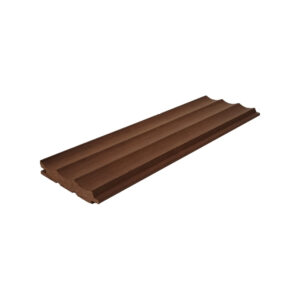
When you’re choosing materials for your next building project, the environmental impact probably weighs on your mind. You want something that looks great, performs well, and doesn’t harm the planet. Heat-treated aspen, or lämpökäsitelty haapa, offers exactly that combination. This naturally modified wood delivers impressive durability without chemical additives, making it a smart choice for environmentally conscious builders and homeowners.
The thermal modification process transforms ordinary aspen into a sustainable building material that outperforms many traditional options. In this article, you’ll discover how this Finnish innovation eliminates toxic treatments while enhancing wood’s natural properties, creating applications perfect for everything from saunas to interior design projects.
What makes heat-treated aspen environmentally sustainable
The thermal modification process creates an eco-friendly material through pure physics, not chemistry. During heat treatment, aspen wood undergoes controlled heating to temperatures between 175–210 degrees Celsius for 1.5 to 3 days, depending on the wood species, thickness, and desired colour intensity. This process uses only heat and steam, with no toxic chemicals involved.
The manufacturing process is completely non-toxic and ecological. Steam acts as a protective barrier, preventing cracking and combustion while influencing the chemical changes within the wood. As the wood heats up, water and resin naturally exit the material, fundamentally altering its cellular structure. This transformation gives the wood its characteristic rich brown colour and pleasant wood aroma.
The environmental sustainability comes from this chemical-free approach. Unlike pressure-treated lumber that relies on preservatives, heat treatment modifies wood’s natural properties without introducing harmful substances. The process requires only energy for heating and steam generation, making it far cleaner than chemical preservation methods.
Why choose aspen over other wood species for green building
Aspen stands out as a renewable resource with impressive environmental credentials. This fast-growing hardwood species regenerates quickly, making it more sustainable than slower-growing alternatives like oak or maple. The rapid growth cycle means forests can be harvested responsibly without long-term environmental damage.
The wood’s natural properties make it particularly suitable for thermal modification. Aspen contains minimal resin compared to softwoods, which means the heat treatment process produces fewer emissions and requires less energy to achieve optimal results. This translates to a lower carbon footprint during manufacturing.
When you compare aspen to other wood species, its lightweight yet durable nature reduces transportation costs and associated emissions. The wood’s consistent grain structure also means less waste during processing, as manufacturers can utilise more of each log effectively. These factors combine to create a genuinely sustainable material choice.
How heat treatment eliminates the need for chemical preservatives
The thermal modification process fundamentally changes wood’s relationship with moisture, decay organisms, and insects. During heating, the wood’s cellular structure transforms as water and extractives are removed. This structural change reduces the wood’s ability to absorb moisture, which is the primary factor in decay and insect attraction.
Heat-treated aspen becomes naturally resistant to rot and fungal attack because decay organisms require specific moisture levels to survive. The modified wood structure prevents these moisture levels from being reached, creating an inhospitable environment for biological deterioration. This eliminates the need for fungicides or other chemical preservatives.
Insect resistance develops through similar mechanisms. Many wood-boring insects are attracted to specific compounds in untreated wood or require certain moisture levels for survival. The thermal modification process removes or alters these attractants while creating an environment that insects find unsuitable. This natural pest resistance means you can avoid insecticides and other toxic treatments entirely.
Applications where heat-treated aspen delivers maximum eco benefits
Sauna construction represents an ideal application for heat-treated aspen. The wood’s enhanced heat resistance and low thermal conductivity make it comfortable to touch even at high temperatures. Since saunas require materials that can withstand extreme heat and humidity without chemical off-gassing, heat-treated aspen provides the perfect solution. Its pleasant aroma actually enhances the sauna experience.
Interior panelling projects benefit enormously from heat-treated aspen’s stability and appearance. The rich brown colour eliminates the need for stains or finishes, reducing chemical exposure in indoor environments. The wood’s improved dimensional stability means fewer gaps and warping issues over time, creating longer-lasting installations with minimal maintenance.
Construction applications in moisture-prone areas showcase the material’s versatility. Heat-treated aspen works excellently for bathroom installations, kitchen applications, and other areas where traditional wood might require chemical protection. The enhanced moisture resistance provides reliable performance without compromising indoor air quality.
Outdoor applications like decking and cladding also benefit from the natural preservation qualities. While the wood may weather and grey over time like any natural material, its structural integrity remains intact without chemical treatments. This makes it suitable for projects where environmental runoff concerns make traditional preservatives problematic.
When you’re ready to explore heat-treated aspen wood products for your project, we at Pieksäwood bring over 20 years of thermal modification experience to every product. Our modern production facility in Pieksämäki ensures consistent quality while maintaining the environmental benefits that make lämpökäsitelty haapa such a compelling choice for sustainable construction. Contact us for more information about our sustainable building solutions.