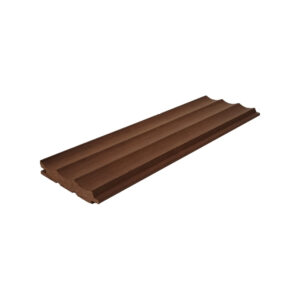
Interior designers have discovered something remarkable about heat-treated aspen. This transformed wood material offers properties that regular timber simply cannot match, making it an increasingly popular choice for sophisticated interior projects. The thermal modification process creates a material that combines natural beauty with enhanced performance characteristics, addressing many of the challenges designers face when working with traditional wood species.
Understanding what sets heat-treated aspen apart helps explain why design professionals consistently choose it for their most demanding projects. From improved stability to enhanced durability, this material delivers practical benefits while maintaining the aesthetic appeal that makes wood such a beloved interior element.
What makes heat-treated aspen different from regular wood
The thermal modification process fundamentally transforms aspen’s cellular structure through carefully controlled heat application. Lämpökäsitelty haapa undergoes a specific treatment in which temperatures reach between 175 and 210 degrees Celsius over a period of 1.5 to 3 days, depending on the wood thickness and desired colour intensity.
During this process, the wood’s structure changes as moisture and resin are removed. Steam and hot air work together to protect against cracking while facilitating chemical changes within the wood fibres. This transformation results in a beautiful brown colour and pleasant wood aroma that distinguish heat-treated aspen from its natural counterpart.
The manufacturing process is completely non-toxic and ecological, using only heat and steam without any chemical additives. This environmentally responsible approach creates a material with enhanced dimensional stability, meaning the wood moves less with changes in humidity and temperature compared to untreated aspen. The thermal treatment also increases resistance to moisture and decay, addressing two primary concerns with regular wood in interior applications.
Why interior designers choose aspen over other wood species
Aspen possesses unique characteristics that align perfectly with contemporary interior design requirements. The species naturally features a light colour palette that complements modern minimalist trends while offering versatility for various design schemes. Its smooth grain pattern provides a clean, sophisticated appearance without the visual complexity that can overwhelm contemporary spaces.
The workability of aspen makes it particularly appealing to designers and craftspeople. The material machines well and accepts finishes evenly, allowing for consistent results across large installations. This predictability proves invaluable when creating seamless wall treatments or extensive panelling systems where uniformity matters.
Aspen’s natural properties include being knot-free and resin-free, characteristics that become even more pronounced after heat treatment. These qualities ensure smooth surfaces that remain comfortable even in varying temperature conditions, making the material suitable for applications where human contact occurs regularly.
Heat treatment benefits that matter for interior projects
Thermal modification addresses several performance issues that commonly affect interior wood applications. Improved moisture resistance means heat-treated aspen performs better in environments with varying humidity levels, such as bathrooms, kitchens, or spaces with significant temperature fluctuations.
The reduced movement characteristic of lämpökäsitelty haapa translates to fewer gaps, warping issues, or joint problems over time. This stability proves particularly valuable for wall panelling, trim work, and other applications where dimensional consistency affects both appearance and performance.
Enhanced durability extends the service life of interior installations, providing better long-term value for clients. The thermal treatment process creates a material that maintains its appearance and structural integrity longer than untreated alternatives, reducing maintenance requirements and replacement costs.
The ecological nature of the heat treatment process appeals to environmentally conscious designers and clients. Since no toxic chemicals are used in the modification process, heat-treated aspen supports sustainable design goals while delivering superior performance characteristics.
Applications where heat-treated aspen excels in interiors
Wall panelling represents one of the most successful applications for heat-treated aspen in interior design. The material’s stability and attractive appearance create stunning feature walls that maintain their beauty over time. The consistent colour and grain pattern allow for large-scale installations with seamless visual flow.
Decorative elements benefit from aspen’s workability and smooth finish. Trim work, mouldings, and architectural details crafted from heat-treated aspen provide crisp lines and a professional appearance that enhance overall interior quality. The material’s resistance to movement ensures these details maintain their precise fit over time.
Ceiling applications showcase heat-treated aspen’s ability to create warm, natural environments while delivering practical performance. The material’s light weight and stability make installation straightforward, while its enhanced moisture resistance provides confidence in varying environmental conditions.
Custom millwork projects leverage aspen’s excellent machining characteristics and finishing properties. Built-in furniture, shelving systems, and bespoke storage solutions benefit from the material’s consistent behaviour and attractive appearance. The thermal treatment ensures these investments maintain their quality and appearance throughout their service life.
Heat-treated aspen has earned its place as a preferred material among interior designers through proven performance and aesthetic appeal. The combination of enhanced stability, moisture resistance, and natural beauty creates opportunities for sophisticated interior solutions that satisfy both functional requirements and design aspirations. At Pieksäwood, we understand these professional needs and provide high-quality heat-treated aspen products that support exceptional interior design projects with reliable Finnish craftsmanship and expertise built over more than 20 years of thermal treatment experience. For more information about our interior design solutions, contact us for expert guidance.