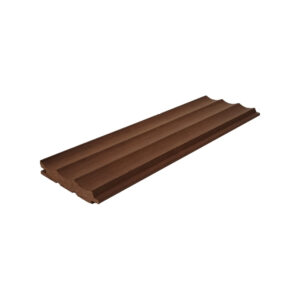
Sauna is one of Finland’s most enduring cultural contributions to the world, and at the heart of every authentic sauna experience is the wood. Not just any wood, but carefully selected, responsibly sourced, and expertly processed timber that shapes how a sauna feels, performs, and ages. As interest in wellness architecture and premium spa construction grows across Europe and beyond, the question of which wood to use has never been more relevant. Finnish wood has earned its reputation not through marketing, but through centuries of practical use and a deep understanding of how timber behaves in extreme heat and humidity.
At Pieksäwood, we have spent over 75 years refining our knowledge of sauna wood, from the forests of central Finland to the finished product. This article explores what makes Finnish wood so well suited to the sauna environment, how different species affect the experience, and why the details of production quality matter more than many buyers initially realize.
What sets Finnish wood apart from other sauna materials
Finnish wood earns its place in sauna construction through a combination of climate, forestry practice, and species selection that is difficult to replicate elsewhere. Trees growing in Finland’s northern climate develop slowly, producing timber with a tight, even grain structure and low resin content. These characteristics are not incidental. They directly affect how the wood behaves when exposed to repeated cycles of intense heat and moisture.
The slow growth rate of Finnish trees results in dense, dimensionally stable timber. In a sauna environment, where temperatures regularly reach 80 to 100 degrees Celsius and humidity fluctuates sharply, dimensional stability is critical. Wood that expands and contracts unevenly will crack, warp, or develop gaps over time. Finnish timber, particularly aspen and black alder, resists this movement more reliably than many imported alternatives.
Beyond the physical properties of the wood itself, Finnish forestry practices ensure that raw material quality remains consistent. Responsible harvesting, careful sorting, and rigorous grading standards mean that the timber entering production already meets a high baseline. When that foundation is combined with skilled processing, the result is sauna wood that performs as expected year after year.
How wood species affect heat, comfort, and safety
The species of wood used in a sauna is one of the most consequential decisions in the entire construction process. Different species transfer heat differently, feel different against bare skin, and respond to moisture in distinct ways. Choosing the wrong species for a particular application can compromise comfort, safety, and longevity simultaneously.
Aspen: the benchmark for sauna bench wood
Aspen is widely regarded as the finest sauna bench wood available, and there are concrete reasons why. It contains virtually no resin or tannins, which means it does not release sticky or irritating compounds when heated. Its surface remains smooth and even under high temperatures, making it comfortable to sit or lie on without the risk of burns from overheated knots or resin pockets. The wood also has relatively low thermal conductivity, meaning it heats up gradually and does not become uncomfortably hot to the touch even in a well-heated sauna.
Aspen’s pale, clean appearance also contributes to the calm, uncluttered aesthetic that defines the traditional Finnish sauna interior. It ages gracefully, developing a soft silver-grey tone over time without losing structural integrity. For sauna bench wood specifically, aspen sets a standard that few other species match.
Black alder: warmth, durability, and visual depth
Black alder offers a different but equally compelling profile. Its natural reddish-brown tone adds warmth and visual richness to sauna interiors, making it a popular choice for paneling and decorative elements. Like aspen, it is knot-free and resin-free in its best grades, ensuring a safe and smooth surface. Black alder is also notably resistant to moisture, which makes it well suited to the high-humidity conditions found in steam rooms and wet sauna environments.
The combination of visual appeal and practical durability makes black alder a strong choice for designers and architects working on premium sauna projects where aesthetics matter as much as performance. Both aspen and black alder are central to our product range at Pieksäwood, and they form the foundation of our sauna bench and paneling collections.
The role of thermally modified wood in modern saunas
Thermal modification has become one of the most significant developments in sauna wood processing over the past two decades. The process involves heating timber to temperatures between 160 and 230 degrees Celsius in a controlled, oxygen-free environment. This alters the wood’s cellular structure permanently, improving its resistance to moisture, biological decay, and dimensional change without the use of any chemical treatments.
For sauna applications, thermally modified wood offers several practical advantages. Its reduced moisture absorption means it expands and contracts far less than untreated wood when humidity levels shift. This translates directly into a longer service life and fewer maintenance issues, particularly in commercial sauna environments where benches and paneling are subject to heavy daily use.
Thermal modification and the sauna aesthetic
The modification process also produces a characteristic warm, honey-brown color that deepens with the intensity of treatment. This natural darkening gives thermally modified wood a rich, aged appearance that many designers find appealing, particularly in contemporary wellness architecture where the contrast between light and dark materials creates visual interest.
We have been working with thermally modified wood for over 20 years, making us one of the most experienced producers in Finland. Our modern thermal modification facility in Pieksämäki processes both our own sawn timber and material sourced externally, giving us precise control over the quality of every batch. Thermally modified aspen, alder, and radiata pine all feature in our Finnish sauna wood products range, each suited to different sauna environments and design preferences.
Chemical-free performance for wellness environments
One detail that matters particularly for spa developers and hotel operators is that thermal modification achieves its performance improvements without any chemical additives. In wellness environments where guest health and comfort are paramount, the ability to specify a high-performance wood product that is entirely natural and non-toxic is a genuine advantage. Thermally modified wood can be used confidently in enclosed, heated spaces without concerns about off-gassing or surface contamination.
Why craftsmanship and production quality matter
The quality of raw timber is only the starting point. How that timber is processed, dried, planed, and inspected determines whether a finished product lives up to its potential. In the sauna industry, where tolerances matter and surfaces are experienced directly against bare skin, production quality is not a secondary consideration.
Every piece of wood we produce at Pieksäwood is planed carefully and inspected by hand in Pieksämäki. This manual quality control step catches surface defects, grain irregularities, and dimensional inconsistencies that automated systems can miss. For sauna bench wood in particular, surface smoothness is a safety and comfort requirement, not merely an aesthetic one. A splinter or rough edge on a bench is not a minor inconvenience in a high-heat environment.
Controlling the full production chain
We operate our own aspen sawmill in Pieksämäki, which means we control the production process from raw log to finished product. This integrated approach allows us to maintain consistent grading standards, respond quickly to specific customer requirements, and ensure traceability throughout the supply chain. For B2B buyers, particularly distributors, sauna manufacturers, and construction professionals working to tight project specifications, this consistency is a practical advantage that reduces risk and simplifies procurement.
The combination of modern production technology and hands-on Finnish craftsmanship reflects a philosophy that has guided our work for more than 75 years. Innovation and tradition are not in conflict here. They reinforce each other, and the result is a product range that meets the demands of both contemporary wellness architecture and the enduring standards of the Finnish sauna tradition.
Choosing the right wood for each part of the sauna
A well-designed sauna interior uses different wood species and grades strategically, matching the properties of each material to the demands of its specific location. Not every surface in a sauna experiences the same heat levels, moisture exposure, or physical contact, and wood selection should reflect those differences.
Benches: prioritize skin comfort and heat behavior
Sauna benches are the most critical surface in the entire space. They are in direct contact with bathers and are exposed to the highest temperatures. Aspen is the preferred choice here because of its low thermal conductivity, smooth surface, and complete absence of resin. Thermally modified aspen offers additional durability for commercial settings where benches see intensive daily use. The key requirement is a knot-free, resin-free surface that will not become dangerously hot or cause skin irritation.
Paneling: balance aesthetics with moisture resistance
Wall and ceiling paneling operates at slightly lower temperatures than the bench level but still requires good moisture resistance and dimensional stability. Black alder is an excellent choice for paneling where a warmer, richer visual tone is desired. Aspen paneling suits interiors where a lighter, more minimal aesthetic is the goal. Thermally modified versions of both species offer enhanced performance in steam-heavy environments such as steam rooms or outdoor saunas exposed to the elements.
Structural and decorative elements
Frames, trims, and decorative lists complete the sauna interior and are an opportunity to add visual coherence. Matching the species used for trims and moldings to the dominant paneling material creates a unified, considered finish. Our range of interior lists and moldings is available in the same species and grades as our paneling and bench wood, making it straightforward to specify a consistent interior from a single supplier.
For architects, interior designers, and sauna manufacturers working on complex or custom projects, we offer tailored solutions and are happy to advise on species selection, dimensions, and surface treatments based on the specific requirements of each project. The right wood for each part of the sauna is not a single answer but a combination of decisions informed by how the space will be used, how it should look, and how long it needs to last. To discuss your specific project requirements, contact our sauna wood specialists directly for tailored guidance.
Finnish sauna wood has earned its global reputation through performance, not promotion. As the wellness industry continues to grow and sauna culture spreads further across Europe and beyond, the demand for materials that combine natural beauty, proven durability, and responsible production will only increase. Professionals interested in discovering the latest developments in sauna and wellness construction can explore industry resources and events on the official interbad website, where leading suppliers and innovators in the sector come together to shape the future of the industry.