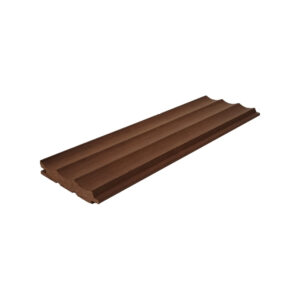
The materials chosen for a sauna interior do far more than fill a space. They define how the room feels underfoot, how it responds to heat and steam, how it ages over years of use, and whether the overall design reads as intentional or improvised. As wellness architecture continues to mature across Europe and beyond, the conversation around premium wood materials for modern sauna design has become increasingly sophisticated. Architects, spa developers, and sauna manufacturers are no longer simply asking which wood looks good. They are asking which wood performs, lasts, and aligns with the values of the project.
At Pieksäwood, we have been working with sauna wood since 1948, building our expertise around Finnish aspen and black alder and refining every stage of production in Pieksämäki, Finland. This article draws on that accumulated knowledge to walk through the key decisions that shape a successful sauna interior, from choosing the right species to understanding what thermal modification actually changes, and how to source responsibly without compromising on quality.
How wood species shape sauna aesthetics and performance
The choice of wood species is the single most consequential decision in sauna interior design, influencing everything from surface temperature to visual warmth. Not every timber that performs well in dry conditions translates successfully to the cyclical heat and humidity of a sauna environment, and the differences between species become apparent quickly once a sauna is in regular use.
Aspen has long been the benchmark for Finnish sauna wood, and for good reason. It is naturally resin-free and knot-free, which means the surface stays smooth and cool to the touch even at high temperatures. This is not a minor detail for sauna benches: a surface that heats unevenly or develops sticky resin deposits becomes uncomfortable and difficult to maintain. Aspen’s pale, even grain also gives sauna interiors a clean, Nordic character that works well in both traditional and contemporary design contexts.
Black alder as a premium alternative
Black alder offers a distinct visual and tactile quality that sets it apart in high-end sauna projects. Its warm, reddish-brown tone deepens with exposure to heat and humidity, giving the interior a richness that develops over time rather than fading. Like aspen, black alder is naturally free from the resins that make some softwoods unsuitable for sauna use. It is dense enough to hold its shape under repeated thermal cycling, and its surface remains comfortable against skin even in demanding conditions.
Both species are well suited to sauna paneling, bench construction, and trim work, but they produce different atmospheres. Aspen reads as light and minimal, while black alder leans toward warmth and depth. The choice between them often comes down to the broader design language of the project rather than a strict performance hierarchy. You can explore our full range of premium sauna wood products to compare species and formats available for professional specification.
Thermal modification and what it changes in sauna wood
Thermally treated wood has become one of the most discussed materials in modern sauna design, and understanding what the process actually does is essential for making informed material choices. Thermal modification is not a coating or chemical treatment. It is a structural change achieved by heating wood to temperatures typically between 160 and 215 degrees Celsius in a controlled, steam-assisted environment.
The heat breaks down the hemicellulose within the wood cells, which is the component most responsible for absorbing moisture. The result is a material that is significantly more dimensionally stable than untreated wood, less prone to swelling and shrinkage as humidity levels fluctuate, and more resistant to biological decay. In a sauna environment, where temperature and moisture levels change dramatically within every session, these properties translate directly into longer service life and more consistent surface behaviour.
What changes in appearance and feel
Beyond performance, thermal modification also changes how wood looks and feels. The process produces a characteristic warm brown tone that varies by species and treatment intensity. Thermally modified aspen, for example, shifts from its naturally pale colour toward a honey or amber tone, which many designers find more visually dynamic while retaining the clean grain structure that makes aspen desirable. Thermally modified black alder deepens further, taking on a rich, almost chocolate quality.
We have been working with thermal modification for over 20 years at Pieksäwood, applying the process to aspen, black alder, and radiata pine in our own modern treatment facility in Pieksämäki. This depth of experience means we understand not just the technical outcomes of the process but the nuances of how different species respond, which allows us to maintain consistent results across production batches.
Matching panels, benches, and trim to a coherent design
A sauna interior that feels cohesive rather than assembled from separate decisions requires deliberate coordination across three material categories: wall and ceiling panels, bench surfaces and structures, and the trim and moulding details that connect them. Each element carries visual weight, and when they are mismatched in tone, texture, or finish, the result reads as fragmented regardless of the quality of individual components.
The most straightforward approach is to specify a single species across all three elements, using the same wood for panels, sauna benches, and trim. This creates visual continuity and simplifies procurement. Aspen used consistently across the interior produces a light, airy atmosphere well suited to minimalist or Scandinavian-influenced design. Black alder used throughout creates a more enclosing, intimate character appropriate for luxury spa environments.
Mixing species intentionally
More complex design approaches use species contrast deliberately. A common combination pairs aspen panels with black alder bench surfaces, using the tonal difference to draw the eye toward the bench structure and create a clear visual hierarchy within the space. When this approach works, it works because the contrast is intentional and consistent, not because two different materials happened to be available. Trim and moulding in either species can bridge the two, depending on which element the designer wants to emphasise.
Thermally treated and untreated versions of the same species can also be combined. Untreated aspen panels alongside thermally modified aspen benches, for example, create a subtle tonal gradient that rewards close attention without overwhelming the space. This kind of layered approach requires material consistency within each category and a clear logic that holds the composition together.
Quality benchmarks that separate premium sauna wood
Not all sauna wood sold as premium actually meets the standards that demanding projects require. Understanding the specific quality benchmarks that matter in a sauna context allows buyers to evaluate materials accurately rather than relying on marketing language.
The most fundamental requirement for bench wood is the absence of knots and resin pockets. Knots create hard, irregular surfaces that are uncomfortable against skin and can become focal points for moisture damage over time. Resin pockets, common in pine species, release sticky compounds when heated, creating maintenance problems and potential skin irritation. This is why aspen and black alder, which are naturally knot-free and resin-free when properly graded, remain the preferred species for high-quality Finnish sauna interiors.
Dimensional precision and surface finish
Dimensional accuracy matters significantly in professional sauna construction. Panels and bench boards that vary in thickness or width create installation problems, visible gaps, and uneven surfaces that compromise both aesthetics and function. Premium sauna wood should be planed to consistent tolerances and inspected individually, not simply sorted by batch. At Pieksäwood, every product is hand-inspected after planing at our Pieksämäki facility, which is how we maintain the consistency that professional customers depend on.
Surface finish quality is equally important. A well-planed surface should be smooth without sanding marks, free from raised grain, and consistent in texture across the full length of each board. These details are visible in the finished installation and felt by every person who uses the sauna, making them genuine quality indicators rather than cosmetic concerns.
Sustainability and sourcing in modern sauna material choices
Responsible material sourcing has moved from a differentiating factor to a baseline expectation in professional construction and design. Clients commissioning hotels, spas, and public wellness facilities increasingly require documented evidence that the wood used in their projects comes from responsibly managed forests, and the sauna interior is no exception to that requirement.
Finnish forestry operates within one of the most rigorously regulated frameworks in the world. Forest management practices in Finland are governed by national legislation that mandates replanting, biodiversity protection, and sustainable yield limits, meaning that responsibly sourced Finnish wood is not simply a marketing claim but a verifiable outcome of the regulatory environment. For international buyers specifying materials for commercial projects, this provides a meaningful level of assurance that is harder to obtain from less regulated supply chains.
Traceability and the value of integrated production
Traceability is where many suppliers fall short. When wood passes through multiple intermediaries between forest and finished product, the chain of custody becomes difficult to verify and easy to misrepresent. We control the entire production chain for our aspen products in Pieksämäki: we operate our own sawmill where we process Finnish aspen, run our own thermal modification facility, and plane and inspect all products on site before packing and dispatch. This integrated approach means the origin and handling of every product can be traced without ambiguity.
For professionals attending industry events such as interbad 2026 in Stuttgart, where sauna, spa, and wellness construction professionals gather to evaluate suppliers and materials, this kind of supply chain transparency is increasingly a point of differentiation. The event brings together manufacturers, developers, architects, and distributors from across Europe and beyond, creating a concentrated opportunity to assess not just product quality but the depth of expertise and reliability behind it. Professionals exploring the latest developments in sauna and wellness construction can find more information on the official interbad website: messe-stuttgart.de/interbad.
Choosing premium wood materials for a modern sauna interior is ultimately a decision that combines technical knowledge, aesthetic judgment, and sourcing ethics. The species, the treatment method, the design coordination, the quality standards, and the supply chain all contribute to a finished result that either meets the demands of professional use or falls short of them. The most durable sauna interiors are built on all five considerations working together, not on any single element in isolation. To discuss your specific project requirements, get in touch with our sauna wood specialists for tailored guidance.
Frequently Asked Questions
What is the best wood for sauna benches?
Aspen and black alder are widely regarded as the best woods for sauna benches. Both species are naturally knot-free and resin-free, which means they remain comfortable against skin even at high temperatures. Aspen is particularly valued for its smooth, light surface, while black alder offers a warmer tone and slightly denser structure. Thermally modified versions of both species provide additional dimensional stability for demanding sauna environments.
What is thermally modified wood and why is it used in saunas?
Thermally modified wood is timber that has been heated to high temperatures in a controlled, steam-assisted environment without the use of chemicals. The process reduces the wood’s ability to absorb moisture, making it more dimensionally stable and more resistant to biological decay. In sauna interiors, where humidity and temperature fluctuate significantly during every session, this stability translates into longer service life and more consistent surface behaviour over time.
How does aspen compare to black alder for sauna interiors?
Aspen and black alder are both excellent choices for sauna interiors, but they create different atmospheres. Aspen is pale and light-grained, producing a clean, minimal Nordic character suited to contemporary design. Black alder is warmer in tone with a reddish-brown colour that deepens with use, making it well suited to luxury or intimate spa environments. Performance-wise, both species are knot-free, resin-free, and handle heat and humidity well.
What makes Finnish sauna wood different from other wood products?
Finnish sauna wood is distinguished by the quality of the raw material, the depth of manufacturing expertise, and the regulatory framework governing forest management in Finland. Finnish forestry is subject to strict national legislation that ensures sustainable yields and responsible practices. Manufacturers with long experience in sauna wood, such as Pieksäwood, have developed production processes specifically optimised for the demands of sauna environments, including precise planing tolerances and individual quality inspection.
How do I match sauna panels, benches, and trim for a cohesive look?
The simplest approach is to specify a single wood species consistently across panels, benches, and trim. For a more layered design, species can be combined intentionally, for example pairing aspen panels with black alder bench surfaces to create tonal contrast and visual hierarchy. Thermally treated and untreated versions of the same species can also be combined for a subtle gradient effect. The key is that any contrast should be deliberate and consistent rather than the result of separate procurement decisions.
What sustainability certifications should I look for in sauna wood?
For professionally specified projects, look for wood sourced from forests certified under recognised schemes such as FSC or PEFC, which provide independent verification of responsible forest management. Beyond certification, consider whether the supplier can demonstrate genuine supply chain traceability, particularly if they control their own sawmill and processing facilities. Integrated production with documented origin is often more meaningful than certification alone, as it reduces the number of intermediaries through which accountability can be diluted.
What quality standards should premium sauna wood meet?
Premium sauna wood should be graded free of knots and resin pockets, planed to consistent dimensional tolerances, and inspected individually rather than sorted by batch. Surface finish should be smooth and uniform without sanding marks or raised grain. For bench wood specifically, the absence of resin is critical, as resin releases under heat and creates maintenance problems. Consistent thickness and width across boards is equally important for professional installation quality.