Natural wood enhances sauna wellness by creating a sensory environment that supports deep relaxation, healthy heat circulation, and a genuine connection to nature. Wood regulates humidity, absorbs and releases heat gradually, and stays comfortable to the touch even at high temperatures. The sections below explore exactly how different wood species, thermal treatments, and maintenance practices shape the sauna experience.
What makes wood the ideal material for a sauna?
Wood is the ideal sauna material because it combines low thermal conductivity, natural moisture regulation, and structural stability in a single material. Unlike stone, metal, or synthetic surfaces, wood stays cool enough to touch safely, absorbs steam without warping quickly, and contributes to the warm, calming atmosphere that defines a true sauna wellness experience.
The physical properties of wood explain its dominance in sauna construction. Its cellular structure acts as a natural buffer: it absorbs excess humidity during a steam burst and releases it gradually as the air dries, helping to stabilize the microclimate inside the room. This means the heat feels gentler and more even rather than sharp or suffocating.
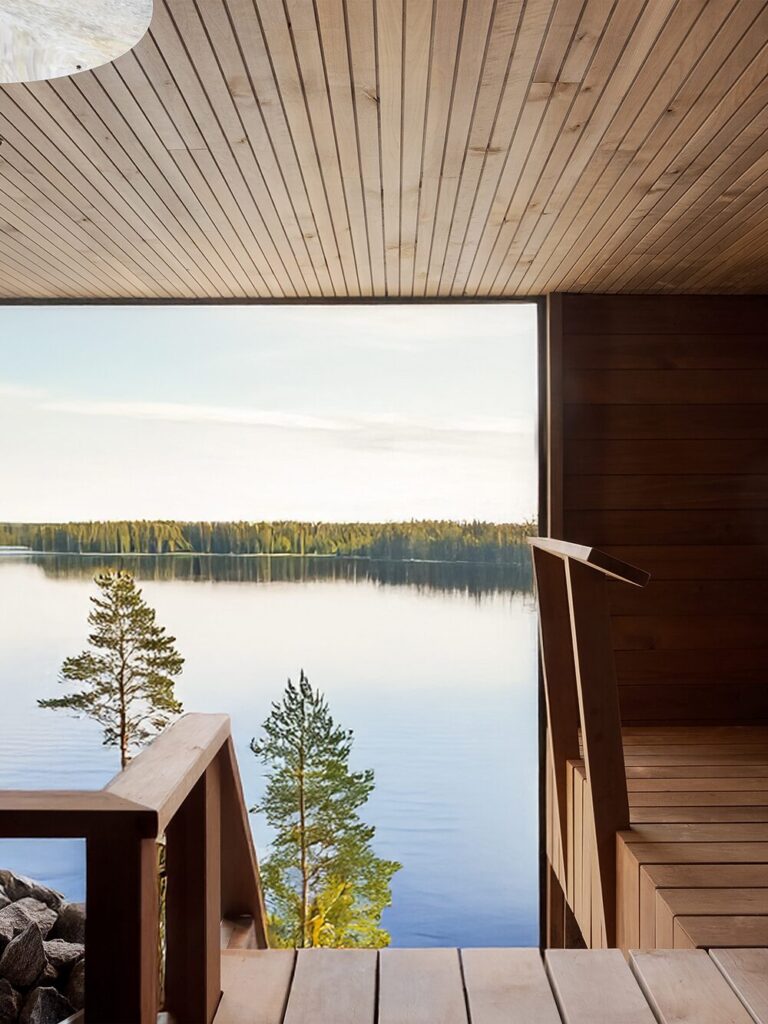
Beyond function, wood contributes a sensory quality that no manufactured material replicates. The natural grain patterns, the subtle scent of warm timber, and the soft visual warmth of pale aspen or deep amber thermally treated wood all activate the senses in ways that support mental relaxation. Sauna wellness is not only about temperature; it is about the complete environment, and wood shapes that environment from floor to ceiling.
How does sauna wood affect heat and humidity levels?
Sauna wood directly influences heat and humidity by acting as a passive regulator. Wood absorbs heat slowly and releases it steadily, preventing sudden temperature spikes. It also absorbs moisture from steam and releases it gradually, which smooths out humidity peaks and creates a more stable, breathable sauna climate.
The density and porosity of the wood species used determine how quickly this exchange happens. Lighter, less dense woods like aspen absorb and release both heat and moisture faster, which makes the room responsive to adjustments. Denser woods hold heat longer but take more time to reach optimal temperature.
Knot-free surfaces matter here too. Knots and resin pockets in some softwoods can become hot spots that concentrate heat unevenly, making surfaces uncomfortable to sit or lean against. Species chosen specifically for sauna use, such as aspen and black alder, are naturally free of resin and have a smooth, even grain that distributes heat across the surface consistently.
What’s the difference between aspen and alder for sauna use?
Aspen is a pale, lightweight hardwood with a naturally smooth surface and very low resin content, making it the classic choice for sauna benches and paneling. Black alder is slightly darker, denser, and particularly resistant to moisture, which makes it well suited to the most humid areas of the sauna. Both are knot-free, resin-free, and comfortable at high temperatures.
Aspen in the sauna
Aspen is valued for its naturally light color, fine grain, and the way it stays cool to the touch even in intense heat. It does not splinter easily, and its surface remains pleasant against bare skin throughout a long sauna session. We use high-quality Finnish aspen as the primary raw material for our sauna benches and wood products, sourcing and sawing it ourselves at our own mill in Pieksämäki. The result is a consistent, premium-grade product that performs reliably session after session.
Black alder in the sauna
Black alder has a warmer, slightly reddish tone and a denser structure that gives it excellent resistance to repeated wetting and drying cycles. This durability makes it a strong choice for lower bench levels and wall areas closest to the water bucket and stones. Like aspen, it is naturally free of resin and does not overheat on the surface, so it remains safe and comfortable throughout the sauna experience.
Does thermally treated wood perform better in saunas?
Thermally treated wood performs significantly better in demanding sauna conditions than untreated wood. The heat treatment process, which uses only hot air and steam with no chemicals, restructures the wood at a cellular level, dramatically reducing its ability to absorb moisture and improving its resistance to swelling, shrinking, and biological decay.
The practical benefit in a sauna is dimensional stability. Untreated wood expands and contracts with every humidity cycle. Over time, this can cause panels to warp, gaps to open between boards, or bench surfaces to become uneven. Thermally treated aspen or alder holds its shape far more consistently, which means the sauna looks better and requires less maintenance over the years.
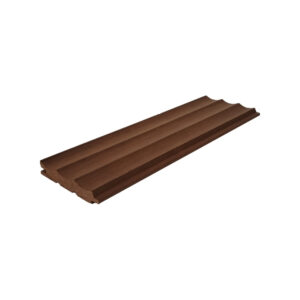
Thermal treatment also deepens the color of the wood to a rich, warm brown tone that many people find visually appealing. This color is not a stain or coating; it comes entirely from the internal transformation of the wood’s natural sugars during treatment. The surface is smooth, even, and free of any chemical residue, making it safe for the skin-close environment of a sauna bench.
We have over 20 years of experience in thermal treatment, working specifically with aspen and black alder. Our modern treatment facility in Pieksämäki allows us to control the process precisely, which is why the quality of our thermally treated sauna products remains consistent across every batch.
How does wood choice influence the sauna wellness experience?
Wood choice shapes the sauna wellness experience through three interconnected factors: thermal comfort, sensory atmosphere, and long-term reliability. The right wood keeps surfaces at a safe, comfortable temperature, contributes a calming visual and aromatic quality, and maintains its performance over years of use so the sauna remains a place of genuine rest rather than a maintenance concern.
Thermal comfort is the most immediate factor. A bench surface that overheats forces bathers to sit on towels or cut sessions short. Aspen and black alder, whether natural or thermally treated, stay within a comfortable temperature range even at 90 degrees Celsius or above. This allows full relaxation without distraction.
The visual and sensory dimension of wood also matters more than it might seem. Research in environmental psychology consistently shows that natural materials reduce perceived stress and support mental recovery. The warm tones, natural grain patterns, and gentle scent of heated wood all contribute to the restorative quality that sauna wellness is built on. A sauna lined with pale Finnish aspen or rich thermally treated wood feels fundamentally different from one finished in tile or plastic, and that difference is felt in the body as well as seen with the eyes.
How do you maintain natural wood in a sauna long-term?
Maintaining natural wood in a sauna long-term requires regular ventilation, occasional light cleaning, and protecting the wood from standing water. The most important practice is ensuring the sauna dries out completely after each use. Wood that stays damp for extended periods is vulnerable to discoloration, mold, and structural weakening over time.
After each sauna session, leave the door or ventilation open to allow air circulation. This allows moisture to escape and the wood to return to its natural equilibrium. Avoid sealing bench surfaces with varnish or film-forming coatings, as these trap moisture beneath the surface and can cause the wood to blister or delaminate. If any surface treatment is used, choose a product specifically formulated for sauna wood that penetrates rather than seals.
For cleaning, warm water and a soft brush are sufficient for routine maintenance. A mild sauna-specific cleaner can be used periodically to remove grime from bench surfaces. Avoid harsh detergents, as these can dry out the wood and accelerate surface wear.
Thermally treated wood requires even less maintenance than untreated wood because its reduced moisture absorption means it responds less dramatically to humidity changes. It is also more resistant to biological growth, which reduces the risk of mold in poorly ventilated conditions. For anyone who wants a low-maintenance sauna that retains its appearance over many years, thermally treated aspen or alder is a practical long-term investment in sauna wellness. Contact us to discuss your sauna wood needs and find the right solution for your project.